

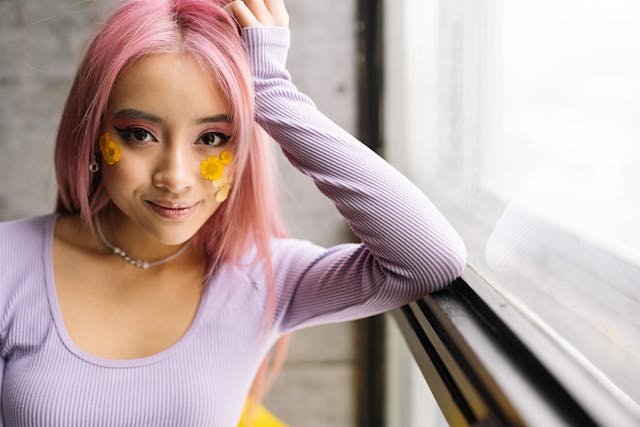
Coloring your hair can be a fun way to refresh your look, but sometimes it comes with an uncomfortable side effect: an itchy scalp. If you’ve experienced tingling, irritation, or persistent itching after a hair dye session, you’re not alone. Several factors—from chemical reactions in the dye to scalp sensitivity—can trigger this discomfort.
Understanding why your scalp itches after coloring is important for protecting your hair and skin while still enjoying vibrant results. By identifying the cause, you can take steps to soothe irritation, prevent future reactions, and maintain a healthy, comfortable scalp.
How to Care for Hair Before and After Coloring
Hair coloring is one of the easiest ways to transform your look, but it’s not just about choosing a shade. Proper care before and after dyeing your hair is essential to prevent damage, maintain shine, and ensure the color lasts. Many people skip important steps and end up with dry, brittle hair or uneven color. This guide explains how to prepare your hair before coloring and maintain it afterward to achieve the best results.
Preparing Your Hair Before Coloring
Getting your hair ready for color is similar to preparing for a big exam—without preparation, the results may be disappointing. Prepping your hair isn’t difficult, but it requires attention to detail. The following steps will help ensure that your hair is in top condition for coloring.
First, consider a hot oil treatment a few days before coloring. This treatment deeply nourishes the hair shaft, strengthens weak strands, and minimizes breakage caused by chemical processing.
It’s especially useful if your hair has been frequently colored, heat-styled, or chemically treated. If a hot oil treatment isn’t feasible, giving your hair a break from styling and chemicals will allow it to regain strength and resilience, which is key for vibrant, long-lasting color.
Next, wash your hair with a clarifying shampoo to remove product buildup and oils. Avoid using conditioner beforehand because it can create a barrier that prevents the dye from fully penetrating. Ideally, wash your hair 24 hours before coloring.
This timing allows natural scalp oils to form a protective layer, reducing irritation while helping the color distribute evenly.
Another critical step is performing a patch or strand test if you are coloring your hair at home. This simple precaution can help you avoid allergic reactions and gives a preview of the expected color. Following these preparation steps can prevent uneven results and ensure healthier hair after coloring.
Caring for Hair After Coloring
After coloring, your hair needs special attention to preserve the color and prevent damage. Immediate care and ongoing maintenance are crucial for keeping your hair vibrant and healthy.
Wait at least 48 hours before washing your hair after coloring. This allows the dye to fully set in the strands and gives the scalp time to recover from any irritation. Using a shampoo specifically formulated for color-treated hair is important because it helps lock in color while gently cleansing without stripping natural oils.
Moisturizing is equally essential. Color-treated hair tends to be drier, so regular hydration using oils, leave-in conditioners, and deep-conditioning masks will help maintain softness and shine. Be mindful not to overapply heavy products, as buildup can weigh hair down and dull the color.
Heat styling should be minimized after coloring. Tools such as straighteners, curling irons, and blow dryers can cause additional stress to chemically treated hair. If you do use heat, always apply a heat protectant.
Trimming damaged ends regularly also prevents further breakage and keeps your hair looking healthy. If you’re unsure about the proper aftercare for a specific hair color, consult your stylist or follow the manufacturer’s recommendations to avoid frustration and damage.
For beginners or those trying multi-tonal colors, booking an appointment with an experienced professional ensures even color, reduces the risk of hair damage, and achieves a polished result. Proper preparation and post-color care are key to maintaining vibrant, healthy hair over time.
Ingredients to Watch Out for in Hair Dye
Hair dyes contain various chemicals that can sometimes be harmful if not used properly. While most products are safe when used according to instructions, it’s important to know which ingredients could potentially cause irritation or allergic reactions.
p-Phenylenediamine (PPD) is a common component of permanent hair dyes and is often responsible for allergic reactions. Its concentration is regulated to ensure safety, but performing a patch test remains essential.
Parabens, often listed under names like methylparaben or alkyl parahydroxybenzoates, can also cause sensitivity. Choosing paraben-free products can reduce this risk. Fragrances in hair dyes are often a mixture of many chemicals, which may cause irritation. Opting for fragrance-free dyes or informing your stylist about sensitivities can help prevent problems.
Formaldehyde and sulfates, such as sodium lauryl sulfate, are additional ingredients that can irritate the skin or dry out hair. Sulfates are commonly used to remove buildup but may strip natural oils.
To minimize risk, consider using natural or organic hair dyes and limit chemical treatments when possible. Being aware of these ingredients helps you make safer choices for both your hair and scalp.
How to Stop an Itchy Scalp After Hair Coloring
An itchy scalp after dyeing can be uncomfortable and alarming. In severe cases, it’s important to consult a dermatologist, but mild irritation can often be managed at home. Allowing time for your scalp to recover is the first step, as some reactions naturally subside within a few days.
Rinsing your hair thoroughly with clean water mixed with a small amount of apple cider vinegar can help restore pH balance and reduce itchiness. Using a gentle shampoo formulated for sensitive or treated hair is also beneficial.
Coconut oil or unrefined shea butter can soothe the scalp, but be cautious to avoid excess buildup that may weigh hair down. Patience and gentle care are crucial during the healing process.
Causes of Itchy Scalp Beyond Hair Dye
If itching starts without recent coloring, several factors could be responsible. Product buildup, dandruff, fungal infections such as ringworm, lice infestations, or dry scalp are common causes. Identifying the underlying issue is key to proper treatment. Regular cleansing, moisturizing, and avoiding harsh chemicals can prevent many of these problems and maintain scalp health.
Even if your scalp reacts to hair dye, it’s often temporary if you follow proper aftercare and use soothing products. Understanding the difference between dye-related irritation and other scalp conditions ensures you take the correct approach to restore comfort and maintain healthy hair.