

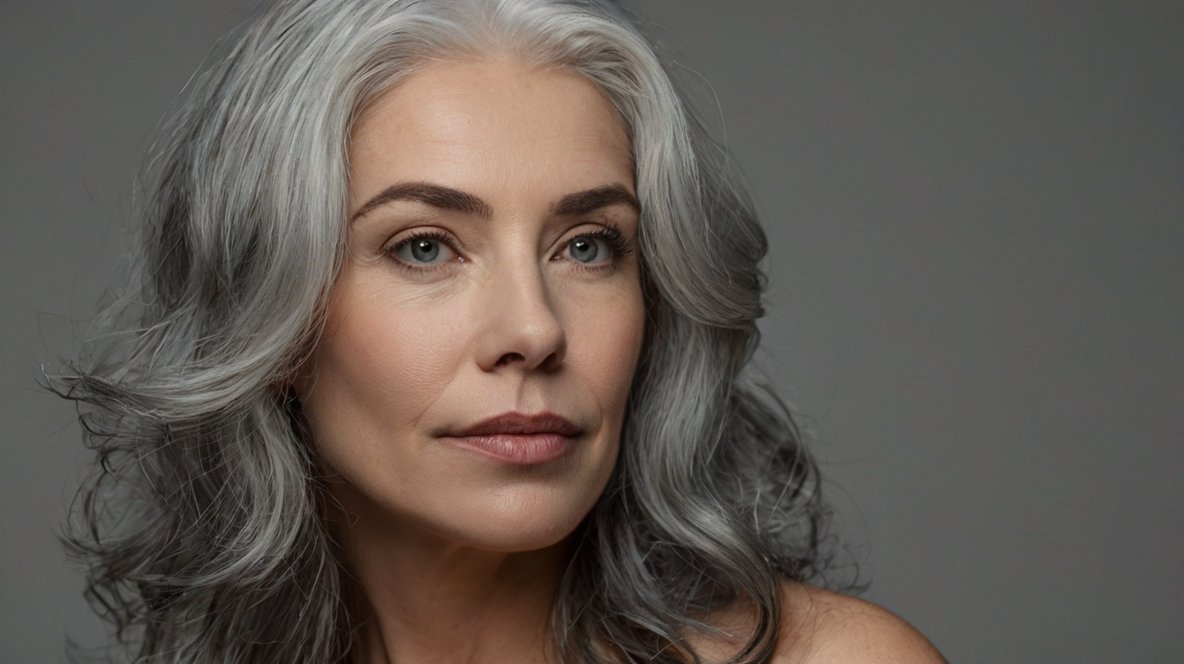
Noticing changes in your hair can be surprising, especially when the first signs of greying begin to appear. While grey hair is a natural part of aging, it often starts subtly and is easy to overlook. From shifts in texture to unexpected color changes, your hair usually gives early signals before fully turning grey.
Paying attention to these signs can help you understand what’s happening and adjust your hair care routine accordingly. Recognizing the early indicators allows you to better care for your hair, maintain its health, and embrace the transition with confidence.
Early Signs Your Hair Is Going Grey
At the moment, it’s still impossible to completely stop the natural process of hair greying. Hair turns grey as a result of aging, genetics, and internal biological changes that gradually reduce pigment production. While some products and lifestyle changes may slow the process, reversing it permanently is not yet possible.
However, what is possible is recognizing the early warning signs. Many people assume hair suddenly turns grey overnight, but in reality, greying is a gradual process that often begins years before the first visible silver strands appear. Understanding these early indicators can help you prepare, adjust your hair care routine, and make informed decisions about embracing or managing grey hair.
Below are some of the earliest signs that your hair may be starting to go grey.
1. You’re Shedding Hair More Frequently Than Usual
Increased hair shedding is one of the earliest and most overlooked signs associated with greying hair. As people age, the hair growth cycle slows down, and the rate at which old hairs are replaced changes. When hair sheds more frequently, the new hair that grows in its place is more likely to appear grey or lighter in color.
If you notice excessive shedding in your late thirties or beyond, this may indicate that your follicles are beginning to lose melanin—the pigment responsible for hair color. While shedding itself does not directly cause greying, it accelerates the visibility of grey strands.
Certain habits can worsen shedding, including excessive heat styling, frequent chemical treatments, aggressive brushing, and poor scalp care. These habits are particularly harmful once hair begins to grey, as grey hair is more fragile and prone to breakage.
Reducing heat usage, switching to gentler products, and being mindful when detangling can help minimize shedding and preserve hair health during this transition.
2. Your Hair Texture Is Becoming Coarser
Another common early sign of greying is a noticeable change in hair texture. Before hair turns visibly grey, it often becomes rougher, drier, and more brittle. This happens because melanin doesn’t just provide color—it also plays a role in maintaining hair’s smoothness and elasticity.
As melanin production declines, hair strands lose moisture more easily. This leads to increased frizz, reduced shine, and a coarse texture that feels different from your natural hair.
If your once-soft hair begins to feel wiry or stiff despite using the same products, it may already be undergoing internal pigment changes. This is often one of the first physical signals that greying has begun, even if no silver strands are visible yet.
3. Your Hair Is Gradually Thinning
Hair thinning often accompanies the greying process. As pigment cells slow down, follicles may also shrink slightly, producing finer strands over time. This thinning can occur before or alongside visible greying.
When hair becomes thinner, light reflects differently off the strands, making grey hairs more noticeable even in small amounts. Thinning hair combined with pigment loss can make the scalp more visible, further emphasizing the change in hair color.
These changes are often part of broader aging processes, which may also include paler skin and slower hair growth. If thinning and greying occur simultaneously, it’s usually a strong indicator that the transition to grey hair is underway.
4. You Have Certain Health Conditions
Some medical conditions are strongly linked to premature or accelerated greying. While not everyone with these conditions will experience greying, they significantly increase the likelihood.
One such condition is alopecia areata, an autoimmune disorder that causes patchy hair loss. When hair regrows after alopecia, it often lacks pigment and appears grey or white because the melanin-producing cells have been damaged.
Another condition is vitiligo, which attacks melanocytes—the cells responsible for skin and hair pigmentation. Vitiligo can cause sudden greying in specific areas of the scalp and is usually permanent.
Thyroid disorders, vitamin B12 deficiency, and chronic stress-related illnesses have also been linked to early greying. In these cases, addressing the underlying condition may slow further pigment loss, though existing grey hair usually remains.
Can Going Grey Be Reversed?
At present, fully reversing grey hair is not possible. While some recent studies suggest that stress-induced greying may be temporarily reversible under specific conditions, these findings are limited and not applicable to age-related greying.
Grey hair caused by aging is the result of permanent biological changes in the hair follicle. Once melanin production stops, the follicle cannot naturally restart pigment production at this time.
That said, research into anti-greying treatments is ongoing. While no permanent solutions exist yet, future advancements may offer more effective options.
Should You Let Yourself Go Grey?
Deciding whether to embrace grey hair is deeply personal. For many people, going grey is associated with aging, which can be emotionally challenging due to social stereotypes.
However, modern beauty standards have shifted significantly. Grey hair is no longer seen solely as a sign of aging—it’s increasingly associated with confidence, elegance, and individuality. Many celebrities, models, and influencers now choose to go grey intentionally.
In many cases, letting your hair go grey naturally results in a more harmonious appearance as your skin tone changes with age. Attempting to maintain darker hair indefinitely can sometimes appear harsh or unnatural against paler skin.
Ultimately, the right time to go grey is when you feel ready. There’s no rule requiring you to commit permanently—temporary greying methods allow you to experiment before making a long-term decision.
Will Going Grey Suit Me?
Grey hair often suits people better than they expect. Several physical cues can help determine whether it’s time to embrace it.
If your skin tone is becoming lighter or cooler, grey hair may complement it naturally. Additionally, grey hair can make thinning hair appear fuller because lighter shades reflect more light and create the illusion of volume.
Even if you don’t meet these criteria, grey hair can suit almost anyone when styled and cared for properly. The key lies in confidence and maintenance rather than age or hair density.
Can Going Grey Damage Your Hair?
Grey hair itself does not damage hair, but it is more vulnerable to damage if cared for improperly. Without melanin, hair strands are less protected against environmental stressors such as UV rays, pollution, and heat.
Grey hair is also more prone to dryness, frizz, and breakage. Using harsh shampoos, excessive heat styling, or frequent coloring can significantly worsen these issues.
Switching to grey-friendly hair care products, using deep conditioners, and minimizing heat exposure are essential steps once your hair begins to grey.
Can You Stop Going Grey?
Whether you can stop greying depends largely on the cause. If greying is triggered by a temporary condition such as nutritional deficiency or illness, addressing the root cause may slow or halt further greying.
However, age-related greying is inevitable for most people. Studies show that nearly a quarter of adults will have significant grey hair by age 50.
Rather than trying to stop greying entirely, many people choose to manage or conceal it using natural techniques such as hair toppers, extensions, low-maintenance color blends, or grey-enhancing products.
Final Thoughts
Grey hair doesn’t appear overnight—it announces itself through subtle changes long before the first silver strand shows. Increased shedding, texture changes, thinning hair, and certain medical conditions are all early indicators that your hair may be transitioning to grey.
Recognizing these signs allows you to adapt your hair care routine, protect fragile strands, and decide whether to embrace or manage the change on your own terms.
This guide not only outlines the early warning signs of greying but also answers the most common questions surrounding the process, helping you approach grey hair with clarity, confidence, and control.