

Choosing between long and short hair is a decision many people struggle with, as both lengths offer unique styles, personalities, and advantages. Long hair exudes elegance, versatility, and the ability to try countless hairstyles, while short hair can be bold, modern, and low-maintenance.
The “better” look often depends on factors like face shape, lifestyle, hair texture, and personal style. Understanding the benefits and challenges of each length can help you make an informed choice that enhances your features, fits your routine, and boosts your confidence—because ultimately, the best hair is the one that makes you feel amazing.
What Counts as Long or Short Hair?
Before diving into the comparison, it’s important to define hair length. For women, long hair typically extends below the shoulders, while short hair is above shoulder length. For men, hair above the chin is generally considered short, and anything longer counts as long.
Long hair can further be categorized into:
- Shoulder-length: Hair that grazes or reaches just past the shoulders.
- Mid-back length: Hair that reaches the middle of your back.
- Waist-length: Hair extending to the waistline.
- Knee-length: Hair that reaches the knees, often requiring meticulous care and maintenance.
Short hair is simpler to classify: hair that sits above the shoulders, including pixie cuts, bobs, and layered short styles.
Long Hair: Pros and Cons
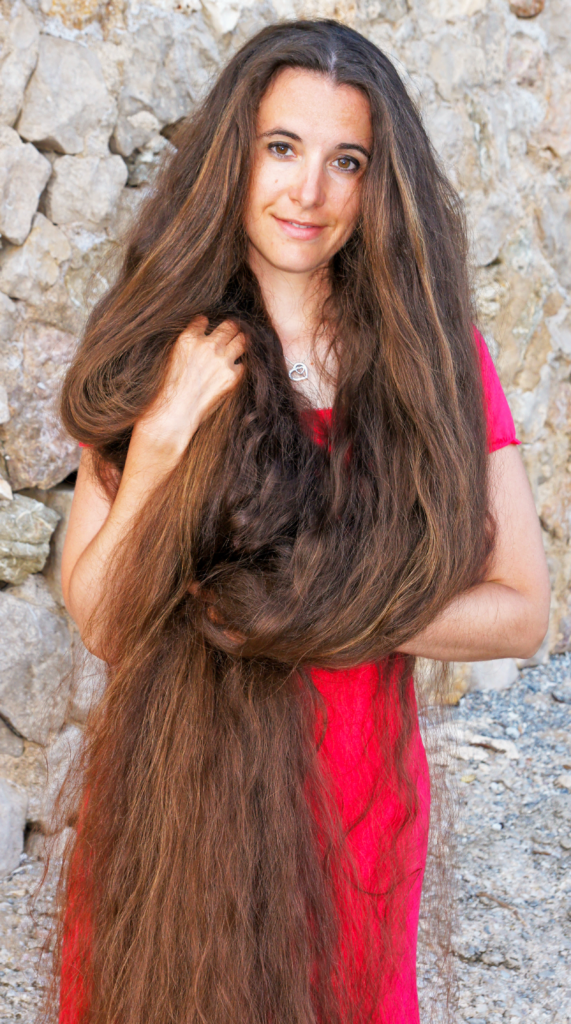
Advantages of Long Hair
- Endless Styling Options
Long hair offers unmatched versatility. From braids, buns, and ponytails to waves, curls, and sophisticated updos, long hair can be styled for any occasion. Want to experiment with ombre or balayage highlights? Longer hair gives more room to showcase intricate color patterns. - Perceived Youth and Femininity
Throughout history, long hair has often been associated with youth, vitality, and femininity. Even in modern studies, women with long hair tend to receive more attention in social or dating contexts, although this is subjective. Long hair can frame your face beautifully and accentuate your features. - Seasonal Advantages
Long hair can serve as a natural shield in winter, providing warmth for your neck and shoulders. It also protects your scalp from wind and cold weather, reducing dryness and irritation. - Variety of Haircuts and Textures
Even with long hair, you can experiment with layers, texturing, and trimming for different looks. You can keep your length but still achieve a fresh, dynamic style that evolves with trends or your mood.
Disadvantages of Long Hair
- Time-Consuming Maintenance
Long hair demands more effort. Washing, drying, detangling, and styling can take significantly longer than short hair. Regular treatments, such as deep conditioning or hair masks, are often necessary to maintain shine and health. - Prone to Damage
The longer your hair, the more susceptible it is to split ends, breakage, and dryness. Long hair often needs extra care to prevent tangling and damage, particularly at the ends. - Uncomfortable in Heat
While long hair is great in cold weather, it can be uncomfortable in hot climates. Long strands can stick to your skin, trap sweat, and make you feel warmer than you want. - Higher Product Costs
Long hair consumes more shampoo, conditioner, styling products, and treatments. If you’re color-treating or using heat styling tools, costs can increase significantly.
Short Hair: Pros and Cons

Advantages of Short Hair
- Time-Saving
Short hair is far easier to manage daily. Washing, drying, and styling take less time, which is perfect for busy mornings or active lifestyles. You can achieve a polished look in minutes. - Comfortable and Light
Short hair doesn’t trap heat or sweat. It feels lighter, more breathable, and less likely to cause discomfort around the neck or shoulders. - Low Daily Maintenance
Short hair may require frequent trims to maintain its shape, but daily upkeep is easier. Detangling and brushing are quicker, and there’s less risk of knotting. - Bold, Modern Look
Short haircuts like pixies or bobs can create a bold, confident, and edgy appearance. Many people find short hair exudes a sense of empowerment and sophistication.
Disadvantages of Short Hair
- Limited Styling Options
While short hair can look chic, it’s less versatile for styling. Updos, braids, or elaborate curling are limited compared to long hair. Short styles rely on texture, volume, and layering for variety. - Frequent Salon Visits
To maintain a sharp, polished look, short hair requires regular trims, often every 4–6 weeks. This can be inconvenient or costly for some people. - Longer Adjustment Period
If you decide to cut your long hair short, you may need time to adjust. It can take months to grow it back if you dislike the short style.
Long Hair vs. Short Hair: A Lifestyle Perspective
Choosing between long and short hair isn’t just about aesthetics—it’s also about your lifestyle and priorities.
- For busy lifestyles: Short hair is practical. It reduces shower time, drying, and detangling. It’s ideal for athletes, parents, or anyone who wants low-maintenance hair.
- For styling enthusiasts: Long hair is ideal. If experimenting with hairstyles, colors, or braids excites you, long hair provides unmatched flexibility.
- For seasonal comfort: Long hair is better in winter, providing warmth, while short hair is cooler and more breathable in summer.
It’s also important to consider hair texture: thick, curly, or wavy hair behaves differently when short or long. For instance, thick curly hair might require regular trims even if kept long to avoid bulkiness, while fine straight hair may struggle to maintain volume if cut too short.
Expert Tips for Choosing Hair Length
- Face Shape Matters
- Oval faces can typically pull off both short and long hairstyles.
- Round faces often look slimmer with longer lengths or layered short cuts.
- Heart-shaped faces can benefit from chin-length bobs or long waves that balance the forehead and chin.
- Hair Health
If your hair is prone to breakage, split ends, or damage, a short haircut might reduce stress and make hair appear healthier. Conversely, healthy hair can thrive and look stunning at any length. - Personal Confidence
Ultimately, confidence is key. Choose the hair length that makes you feel the best about yourself. People notice how you carry yourself more than the length of your hair.
Long Hair Care Tips
- Regular trims to avoid split ends.
- Deep conditioning treatments to maintain moisture.
- Gentle detangling from the ends to the roots.
- Protective hairstyles at night, like braids or silk scarves.
- Minimize heat styling to reduce damage.
Short Hair Care Tips
- Texturizing products can add volume.
- Frequent trims maintain shape.
- Scalp care is important since short hair exposes the scalp.
- Play with accessories like clips or headbands to add variety.
- Embrace natural texture for effortless styling.
Conclusion: Which Is Better?
After weighing the pros and cons, it’s clear: there’s no universally better option.
- Short hair = convenience, comfort, and boldness.
- Long hair = versatility, styling freedom, and timeless elegance.
Your choice should reflect your lifestyle, personality, and hair goals. Consider your hair health, face shape, and daily routine when deciding.
Whether you choose long or short hair, the most important thing is confidence and care. Healthy, well-maintained hair always looks good—regardless of length.
Remember: your opinion matters most. Only you can decide which length makes you feel empowered, stylish, and confident.