

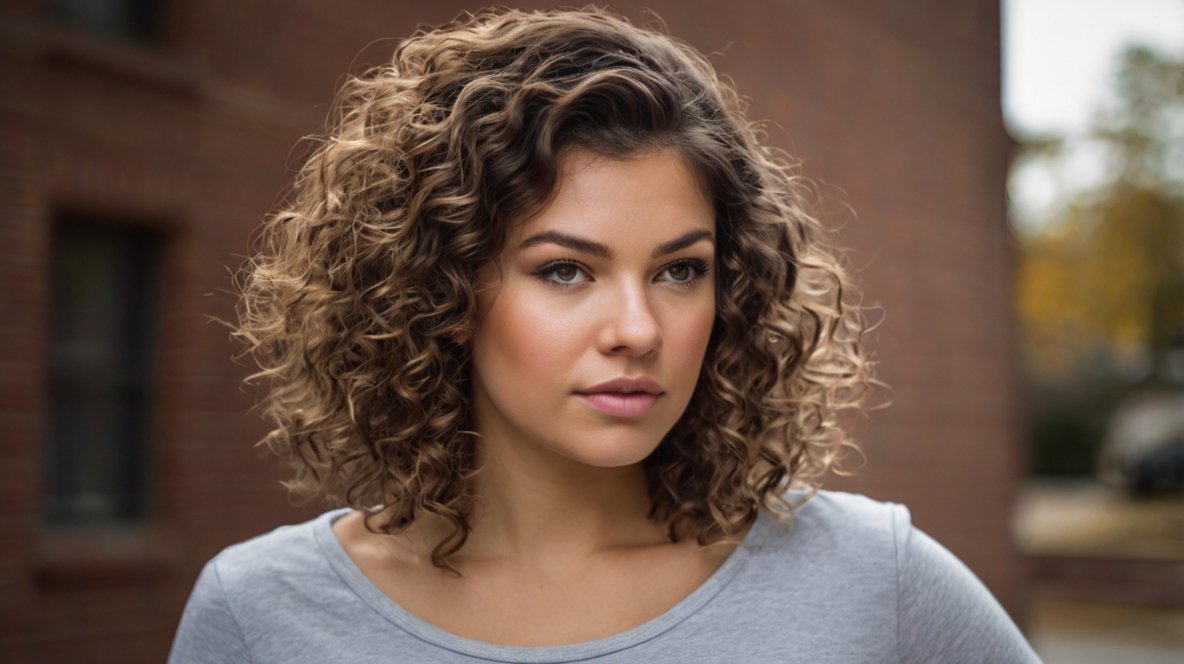
If you’re a curly-haired enthusiast, you’ve probably heard of hair plopping — the technique that promises bouncy, frizz-free curls straight out of the shower. Done right, it can be a game-changer. Done wrong… well, let’s just say it can leave you with flat, uneven, or frizzy curls that no amount of styling can fix.
In this blog, we’ll dive into common hair plopping mistakes that can sabotage your curls, even if you’re following all the trendy tips online. From using the wrong towel or fabric to over-plopping or skipping product prep, small missteps can make a big difference. By understanding what not to do, you’ll be able to master this technique and enjoy soft, defined, and perfectly shaped curls every time. Say goodbye to frustration and hello to gorgeous, bouncy hair that turns heads!
Hair Plopping Mistakes that Will Ruin Your Curls
Curly and wavy hair often demands careful handling, and hair plopping is one of the most effective methods to enhance and preserve your natural curl pattern. However, despite its simplicity, there are common mistakes that can sabotage the entire process. These errors often go unnoticed, especially for beginners, and they can leave your curls frizzy, flat, or undefined.
Plopping isn’t just about drying your hair—it’s about maintaining curl integrity and volume. Unlike regular drying techniques like blow-drying, which can create frizz and disrupt curl shape, plopping allows your hair to retain moisture while gently forming curls. The key to successful plopping is avoiding these small but impactful mistakes.
Many people assume that the intensity of their curls determines the success of plopping, but in reality, it’s the technique that makes the biggest difference. Understanding the common pitfalls and taking steps to avoid them can dramatically improve your results.
1. Wringing Your Hair to Remove Excess Water
One of the most common errors is wringing or squeezing hair too aggressively after washing. While it may seem like a quick way to remove water, this action actually disrupts the natural curl pattern and can cause breakage. Curly hair is fragile when wet, and rough handling can lead to frizz and damage.
A better approach is to remove excess water without touching your hair. To do this, flip your head upside down and gently shake or flick your hair from side to side. This allows water to naturally drip away while keeping the curls intact. After this step, your hair should be damp but not soaking wet, which is the ideal state for applying styling products.
2. Not Using a Microfiber Cloth or Towel
The material you use for plopping makes a huge difference. Traditional towels can roughen the hair cuticle, creating friction and frizz. Microfiber, on the other hand, is soft and highly absorbent, making it the best choice for curly hair.
A microfiber t-shirt or towel works by gently wicking away moisture without disturbing your curls. If you try to use a regular bath towel, you risk undoing all the work you put into styling your hair. Investing in a high-quality microfiber cloth may seem small, but it’s essential for achieving soft, defined curls.
3. Using a Thin Cloth or Tying It Too Tight
Many beginners assume that wrapping the cloth tightly will dry hair faster, but this is counterproductive. Hair plopping is not about squeezing water out aggressively; it’s about securing your hair in place while it dries naturally. Tying the cloth too tightly can flatten curls, create indentations, or even cause scalp discomfort.
A thin microfiber cloth works best because it absorbs water efficiently without pressing too hard against the hair. The goal is to let gravity and the cloth’s absorbent properties do the work, not tension. Properly securing your hair while maintaining gentle pressure ensures that your curls dry beautifully defined rather than flattened or frizzy.
4. Using the Wrong Shampoo
The plopping process begins long before your hair touches the cloth—it starts with washing. Using a shampoo that is incompatible with curly or wavy hair can compromise the entire process. Shampoos containing sulfates and harsh alcohols strip hair of natural oils, leaving it dry and prone to frizz.
For healthy curls, opt for a sulfate-free shampoo that nourishes and preserves moisture. Consider your hair type as well: if your hair is coily or extremely dry, a gentle moisturizing shampoo is ideal. Remember, healthy hair responds better to plopping, so skipping this step or using the wrong shampoo can significantly affect the final results.
Hair Plopping Step by Step Guide for You
Avoiding mistakes is only half the battle. Knowing the correct step-by-step method ensures your curls remain intact and look their best. Many tutorials skip key details, leading beginners to frustration or poor results. Below is a comprehensive guide to plopping your hair the right way.
1. Wash Your Hair and Remove Excess Water
Start by shampooing and conditioning your hair with products suited to your hair type. After rinsing, avoid wringing or rubbing your hair. Instead, flip your head forward and allow gravity to help remove excess water. Gently shake your hair while it’s upside down, or lightly scrunch with your hands without disrupting the curl pattern.
The goal is to achieve damp hair rather than wet, dripping hair. This step is crucial because overly wet hair will not hold the style well and may take longer to dry, while hair that is too dry may not form curls properly.
2. Apply Styling Products After Removing Excess Water
Once your hair is damp, apply your styling products carefully. Use a curl cream, gel, or leave-in conditioner depending on your preference. Take small amounts in your hands and distribute evenly through the hair by gently scrunching.
Avoid over-applying products, as this can weigh curls down or make them sticky. The right amount enhances curl definition while allowing hair to move naturally. This step also gives you a chance to inspect your hair for tangles, which should be gently smoothed out with fingers or a wide-tooth comb.
3. Plop the Hair Using an Appropriate Cloth
Now it’s time for the plopping itself. Lay a microfiber t-shirt or towel flat with the neck hole facing you. Bend forward, flipping your hair onto the center of the cloth. Gather the ends of the cloth around your head and gently secure it, either by tying or tucking.
Ensure the wrap is snug enough to stay in place but not tight enough to compress the curls. The goal is to hold your hair in place while allowing water to absorb naturally into the microfiber. This step may take practice, especially for beginners, but consistency will produce beautifully defined curls over time.
How Long Should You Plop Your Hair
The duration of plopping depends less on hair type and more on hair porosity. Hair porosity affects how well your hair absorbs and retains moisture.
To check your hair porosity, place a strand in a glass of water. Hair that sinks quickly is highly porous, meaning it absorbs water easily. Hair that floats or sinks slowly has low porosity and retains moisture less effectively.
For highly porous hair, 10–20 minutes of plopping is usually sufficient. For medium porosity, 20–40 minutes may be ideal, and for low porosity hair, overnight plopping can give the best results. Keep in mind that plopping time is flexible and can be adjusted based on your hair’s condition and desired volume.
Remember, porosity is not a measure of hair health—it’s simply a guide to drying time. With the right timing, plopping can produce voluminous, bouncy curls without frizz or damage.
Hair Plopping Doesn’t Work? Here’s Why
Even when following instructions, plopping may sometimes feel ineffective. This usually occurs due to overlooked mistakes during the process.
Common reasons for unsuccessful plopping include:
- Using a rough towel instead of microfiber
- Wringing or over-handling wet hair
- Applying excessive or too little styling product
- Securing the cloth too tightly or loosely
- Using shampoos that strip hair of moisture
Careful attention to these steps ensures your curls dry beautifully defined, soft, and frizz-free. Over time, with consistent technique, plopping becomes a reliable part of your curly hair routine.
Plopping isn’t complicated, but attention to detail makes all the difference. Avoiding mistakes, using the right materials, and understanding your hair’s needs will help you achieve perfect curls every time.