

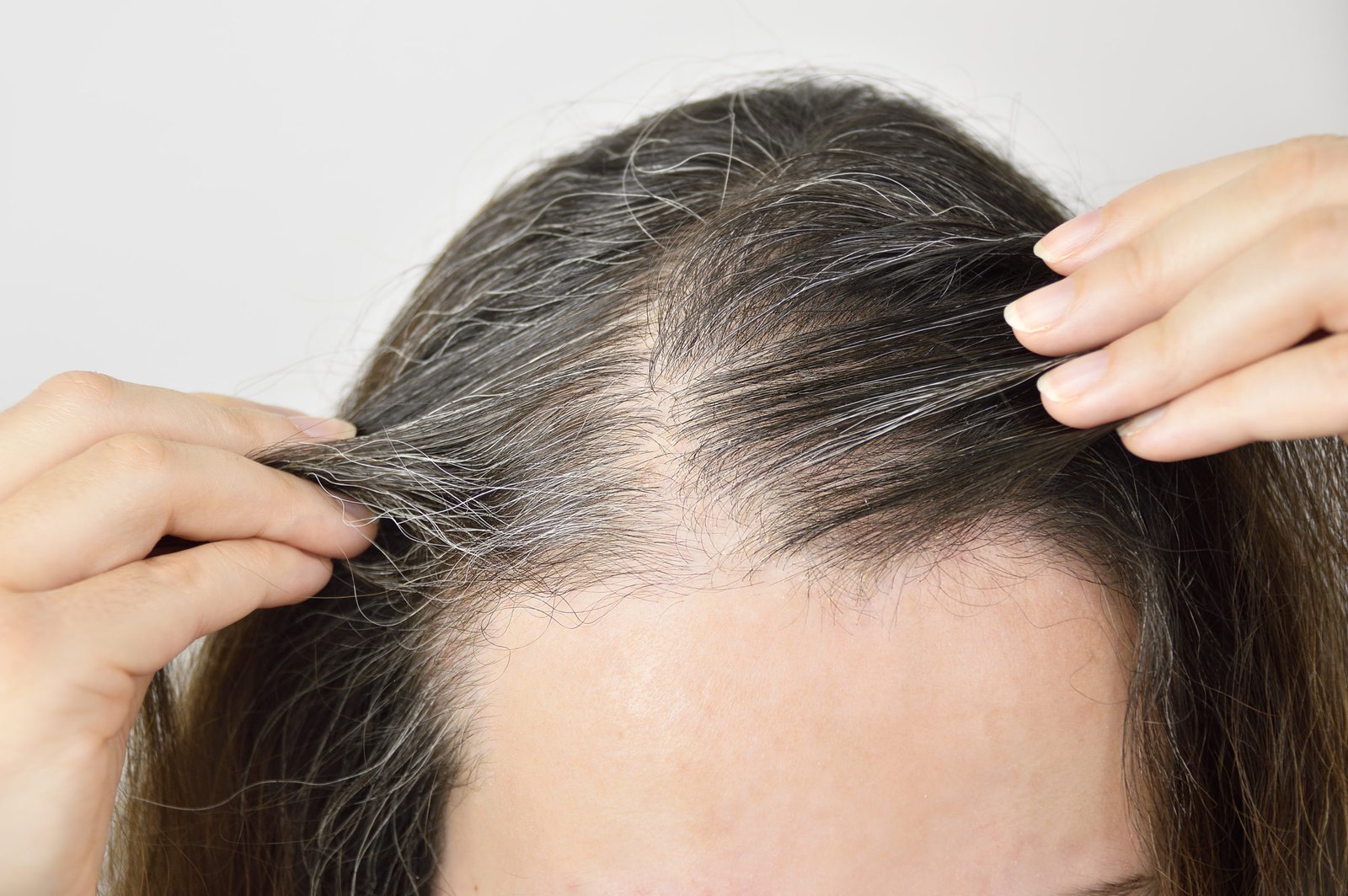
Growing long, healthy natural hair takes more than luck—it requires consistent care and smart habits. Women who successfully achieve strong, flowing hair often follow routines that nourish their strands from root to tip while protecting them from damage.
From proper hydration and balanced nutrition to gentle styling techniques and regular scalp care, these habits create the ideal environment for hair to thrive.
By understanding and adopting these practices, anyone can improve hair growth, reduce breakage, and maintain shiny, resilient locks. Let’s explore the nine essential habits that make long, natural hair a reality.
1. They Protect Their Hair at Night
Protecting hair at night is one of the simplest yet most overlooked steps in hair care. After a long day, many skip this step out of tiredness or stress, but the consequences are significant. Sleeping with hair loose or unprotected can lead to tangling, frizz, and breakage. Even subtle friction against a cotton pillowcase or sleeping in awkward positions can damage strands over time.
Women who grow long hair consistently tie their hair in loose buns or ponytails using fabric scrunches, not tight elastics that can cause breakage. They often use silk or satin bonnets, wraps, or pillowcases to minimize friction.
Many even apply overnight treatments like light oils or leave-in conditioners to nourish their hair while they sleep. By protecting strands nightly, they prevent unnecessary breakage, ensuring hair grows longer over time. Pro tip: Avoid tight hairstyles before bed, and if your hair is chemically treated, consider using a silk scarf for extra protection.
2. They Wash Hair When Needed, But Not Too Often
Washing hair might seem straightforward, but timing and product choice matter a lot. Overwashing strips natural oils, leaving hair dry and brittle, while under-washing allows buildup of sweat, oil, and product residue that can stunt growth. Women with long hair understand their hair type and adjust washing accordingly.
Some prefer once a week, others two or three times, depending on scalp oil production and styling products used. The type of shampoo and conditioner matters as well: gentle, sulfate-free formulas preserve natural oils, while deep cleansers are used only occasionally. For those unsure about frequency, monitor scalp health and hair texture.
It’s important to wash hair thoroughly, but not excessively. Tip: After swimming or sweating heavily, rinse hair with water or a mild cleanser to prevent scalp buildup, even if it’s not a full wash day.
3. They Use Heat Styling Sparingly
Excessive heat is one of the most common causes of hair damage. Women with long hair often use blow dryers, flat irons, or curling tools, but only sparingly. Many let hair air-dry to retain natural moisture and elasticity.
When heat is necessary, they use protective sprays, keep temperatures moderate, and avoid applying direct heat repeatedly in one area. Over time, limiting heat helps prevent split ends, breakage, and dullness, all of which interfere with growth.
Air-drying is usually safest, but if you’re pressed for time, setting a blow dryer on a low or medium heat with a diffuser attachment protects strands better. Mini FAQ: Can I use heat daily? Occasional heat use is fine with protection, but daily high-heat styling will weaken hair and slow growth.
4. They Avoid the Wrong Hair Products
Using inappropriate hair products can lead to dryness, buildup, scalp irritation, and breakage. Women with long hair are careful with product selection, checking ingredients and understanding how their hair reacts.
Heavy silicones, sulfates, or alcohol-laden products are typically avoided because they strip moisture or weigh hair down. Instead, they opt for products designed for their hair type—hydrating oils, natural conditioners, or lightweight styling creams.
Testing a new product on a small section of hair before full application is common. Choosing the wrong products can undo weeks of care, so vigilance is key. Tip: Read labels and research products that nourish and protect hair rather than just style it.
5. They Monitor How They Manipulate Their Hair
Over-manipulating hair is a major reason for slow growth. Frequent combing, brushing, or tight hairstyles can cause more hair loss than growth. Women with long hair are strategic: they avoid excessive tension on edges, space out styling sessions, and handle strands gently. Tight braids, weaves, or buns can create stress points that weaken hair follicles.
Proper detangling techniques, using wide-tooth combs, and working in sections prevents breakage. Understanding how often to style, what hairstyles work best, and how products affect hair weight helps prevent damage and preserves length. Pro tip: Protective styles like loose braids or buns reduce daily manipulation while keeping hair manageable.
6. They Stay Hydrated
Hydration is essential for hair health. Drinking sufficient water ensures that hair follicles receive nutrients efficiently, and it maintains scalp moisture. Women who grow long hair often carry water flasks, consume water-rich foods like fruits and vegetables, and monitor signs of dehydration such as dryness or brittle ends.
Hydration works hand-in-hand with topical care—well-hydrated hair responds better to oils and conditioners, making strands stronger and more resilient. Tip: Aim for at least eight glasses of water daily, adjusting for climate, activity level, and diet.
7. They Trim Split Ends Regularly
Split ends can travel up the hair shaft, leading to breakage and stunted growth. Women who maintain long hair trim ends as soon as they notice damage. Using sharp scissors and making clean cuts prevents fraying and helps hair appear healthy.
While trimming removes some length initially, it preserves the rest of the hair and allows for consistent growth over time. Many experts recommend trimming every six to eight weeks, depending on hair health. Tip: Combine trims with deep conditioning to strengthen ends and reduce future splitting.
8. They Avoid Common Hair Care Mistakes
Mistakes like applying heavy products at the roots, skipping post-swim washes, using the wrong brush, or leaving hair wet overnight can all hinder growth. Women with long hair are mindful of these routines, correcting small errors before they accumulate.
Even seemingly minor habits, such as tugging hair while styling or using harsh accessories, can compromise length and health. Awareness and consistency are key: avoid shortcuts, follow proper techniques, and listen to your hair’s signals. Mini tip: Keep a simple hair care checklist to track routines and prevent common mistakes.
9. They Eat Nutrient-Rich Foods
Nutrition directly impacts hair health. Women with long hair consume diets rich in proteins, vitamins, and minerals. Nutrients like biotin, vitamin E, zinc, iron, and omega-3 fatty acids strengthen follicles, reduce breakage, and promote growth. Hydrating foods like cucumbers, melons, and oranges also support hair hydration from within.
A balanced diet ensures the body has the building blocks it needs for optimal hair development. Even small dietary improvements, like adding eggs, nuts, or leafy greens, can enhance hair growth over time. Tip: Pair a nutritious diet with supplementation only if necessary, and consult a professional before starting any supplement regimen.
Conclusion
Growing long, healthy hair requires consistent habits, attention to detail, and patience. Protecting hair at night, washing correctly, limiting heat, choosing suitable products, minimizing manipulation, staying hydrated, trimming split ends, avoiding mistakes, and eating nutrient-rich foods all contribute to stronger, longer hair.
These habits are interdependent; skipping one can affect the others. By implementing them consistently, women maximize growth potential while minimizing damage. Remember, hair growth takes time, and small daily efforts compound into noticeable results over months and years.
Start with a few habits, track your progress, and gradually build a complete routine tailored to your hair type and lifestyle. With dedication, anyone can achieve long, resilient, and healthy hair.