

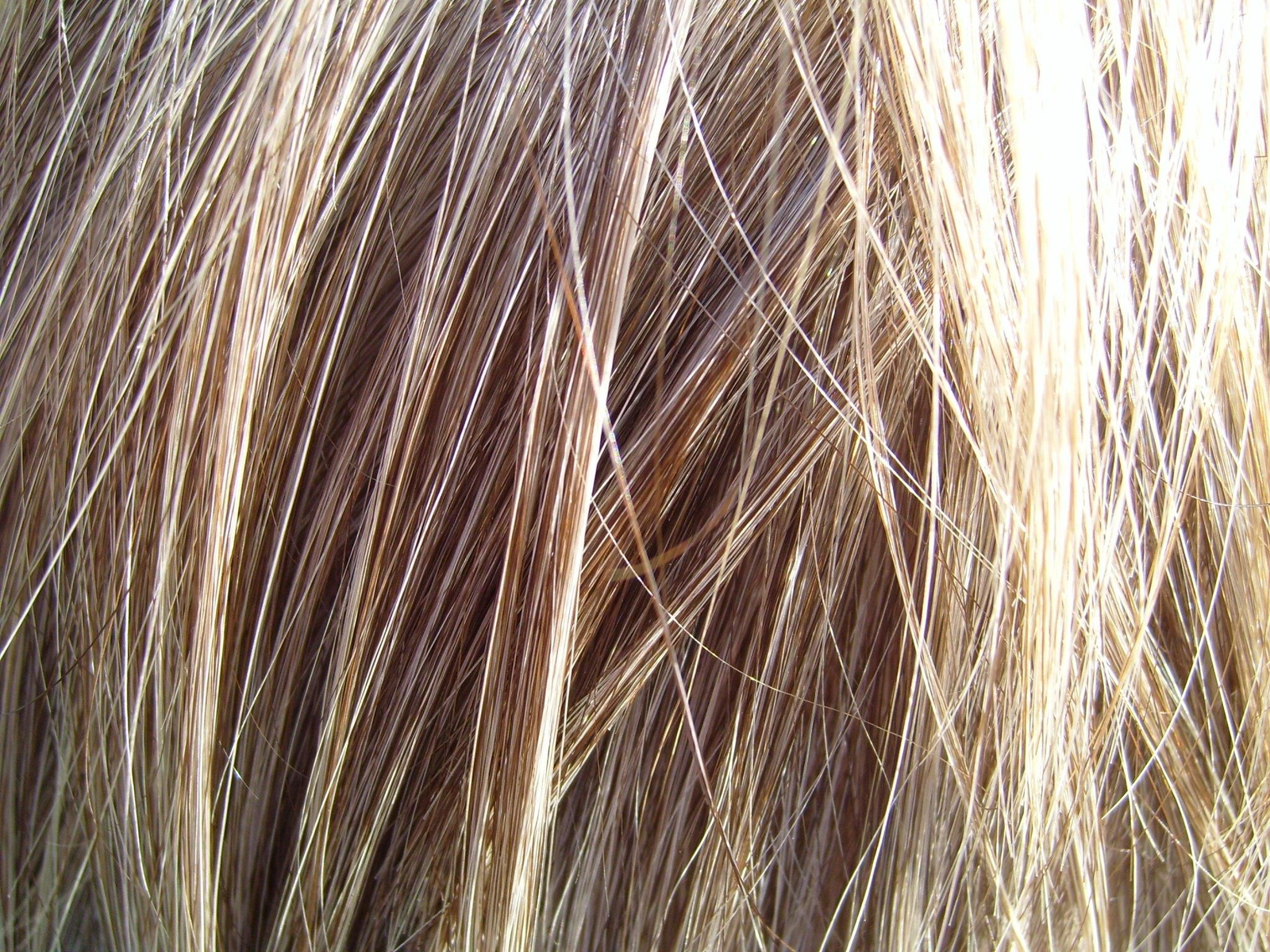
Bleaching your hair can give you a fresh, vibrant look, but it can also take a toll on its health. Over time, excessive chemical processing can weaken your strands, leaving them dry, brittle, and prone to breakage.
Knowing the warning signs of bleach damage is key to preventing further harm and restoring your hair’s strength.
From noticeable split ends to a rough, straw-like texture, understanding these symptoms helps you take timely action. Identifying bleach damage early allows you to treat your hair with the right care, keeping it strong, shiny, and beautiful.
How Does Hair Bleaching Work?
Hair bleaching is one of the most transformative hair treatments, but it’s also a chemical process that requires careful handling. In simple terms, bleaching lightens your hair by breaking down the natural pigments that give it color.
Hair gets its color from melanin, a pigment found in two forms: eumelanin (responsible for darker shades) and pheomelanin (responsible for lighter shades). Hair bleach works by oxidizing this melanin, effectively removing or lightening the pigment so that the hair becomes a lighter tone.
Think of it like removing paint from a wall. The bleach penetrates the hair shaft, altering both the color and, unfortunately, sometimes the hair’s moisture balance. If the hair loses too much moisture in the process, it becomes dry, brittle, and prone to breakage—what is commonly known as bleach-induced hair damage.
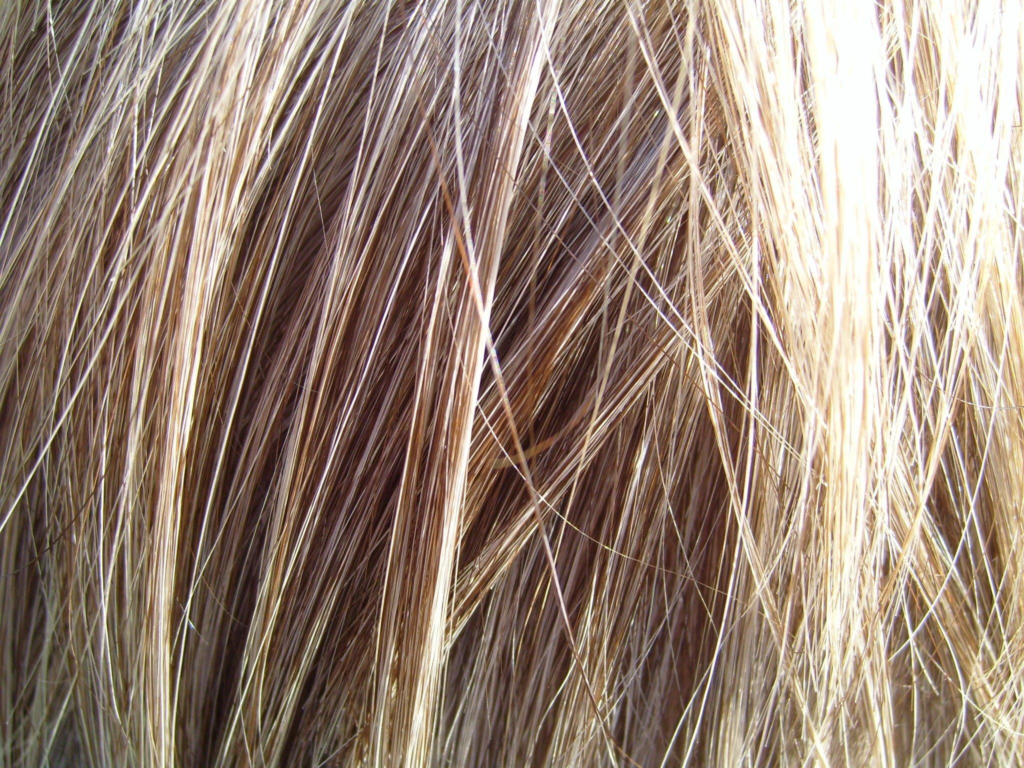
Signs Your Hair Is Damaged from Bleaching
Overprocessing or frequent bleaching can stress the hair, leaving visible and tactile signs of damage. Recognizing these signs early can help you intervene before the damage becomes irreversible.
1. Excessive Tangling
One of the earliest indicators of bleach-related damage is hair that tangles far more than usual. Naturally, your hair’s oils coat each strand, providing a protective barrier that keeps hair smooth and manageable. When bleach removes these oils, the hair loses its natural lubrication, causing strands to knot and snag easily.
Excessive tangling not only makes your daily hair routine more frustrating, but it can also increase breakage. Constant combing or brushing to detangle hair weakens strands, especially at points already stressed by bleaching. Over time, this can make hair appear thinner, more brittle, and difficult to style.
2. Split Ends
Split ends are perhaps the most recognizable sign of over-processed hair. After repeated bleaching, the ends of your hair resemble frayed rope—dry, fragile, and prone to snapping. While split ends are a common result of regular wear and tear, chemical processing dramatically accelerates their formation.
The damage occurs because bleach breaks down the protein structure of the hair, weakening the cortex and cuticle. Once the protective outer layers are compromised, the ends split and continue to fray up the shaft if left untrimmed. Noticing frequent split ends after bleaching is a clear signal that your hair’s integrity has been compromised and that immediate care is needed.
3. Lackluster and Dull Hair
Healthy hair naturally shines because light reflects off its smooth cuticle and the hair is coated in oils. Bleaching disrupts this by stripping oils and roughening the hair surface, leaving strands dull and flat. Even if your hair achieves a lighter color after bleaching, it may lack the vibrancy and luster of unprocessed hair.
Dullness often accompanies a rough texture and reduced elasticity. The hair may feel coarse, dry to the touch, and appear lifeless under light. Maintaining shine on bleached hair requires extra moisture and protective products, as the natural sheen has been compromised by chemical processing.
4. Frizz and Extreme Dryness
Frizz is a telltale sign that the hair’s protective cuticle layer has been lifted or damaged. Bleach works by penetrating the hair shaft to break down melanin, and in doing so, it temporarily or permanently lifts the cuticle. While necessary for lightening, this process leaves hair exposed to environmental stressors like humidity, sun, and friction.
Dryness often follows frizz because the cuticle can no longer lock in moisture effectively. Hair may feel rough, brittle, and less elastic, making it prone to breakage and split ends. Even with regular conditioning, bleached hair requires intensive hydration and protective styling to maintain smoothness and reduce frizz.
Can Bleach-Damaged Hair Be Repaired?
Unfortunately, once hair is severely damaged by bleach, it cannot be fully repaired. Hair is made of dead protein cells, so structural damage is permanent. However, you can manage the damage, prevent further deterioration, and support healthy growth of new hair.
1. Pause or Reduce Bleaching
If you notice damage, it’s time to stop or at least limit further bleaching. Continuing to lighten damaged hair exacerbates brittleness and dryness, making recovery nearly impossible. Focus on maintaining the health of your current hair while growing out unprocessed strands.
2. Protect Hair from Sun Damage
Bleached hair is highly sensitive to UV rays. Sun exposure can further degrade the cuticle, accelerating dryness and color fading. Use protective products such as leave-in conditioners, UV-protectant sprays, or cover your hair when spending time outdoors to minimize damage.
3. Deep Hydration and Moisture Treatments
Bleached hair requires intensive moisture to maintain softness and elasticity. Hydrating oils, like coconut, almond, or argan oil, can penetrate the hair shaft and restore lost oils. Additionally, natural remedies, such as rinsing hair with fermented rice water, can strengthen strands while providing nutrients that promote shine. Regular deep conditioning treatments are essential to prevent breakage and frizz.
4. Use Protein Treatments Wisely
Protein treatments temporarily reinforce weakened hair by filling in gaps in the hair shaft. While helpful, overuse can make hair stiff and more prone to breakage. Balance protein and moisture treatments carefully to maintain both strength and softness.
5. Trim Regularly
Regular trims are vital to remove split ends and prevent damage from traveling up the hair shaft. Even if you’re growing your hair out, cutting damaged ends periodically ensures that your hair remains healthy and manageable.
Preventing Bleach Damage in the Future
Prevention is always better than repair. If you plan to bleach your hair again, consider these tips:
- Space out bleaching sessions to give hair time to recover.
- Avoid overlapping bleach on previously processed strands.
- Invest in high-quality bleach and developer products suitable for your hair type.
- Always follow up with nourishing, hydrating treatments.
- Limit heat styling on bleached hair to reduce additional stress.
Final Words
Bleaching can give you stunning results, but it comes with inherent risks. Understanding how bleach works and recognizing the early signs of damage—tangles, split ends, dullness, and frizz—can save your hair from irreversible harm.
While bleach-damaged hair cannot be fully repaired, proper care, hydration, and protective practices allow you to grow healthy new hair. If you notice early warning signs, act immediately to minimize damage and maintain the beauty and integrity of your strands.
Bleached hair requires attention, patience, and a thoughtful haircare routine. With the right practices, you can enjoy your lighter locks without sacrificing hair health.